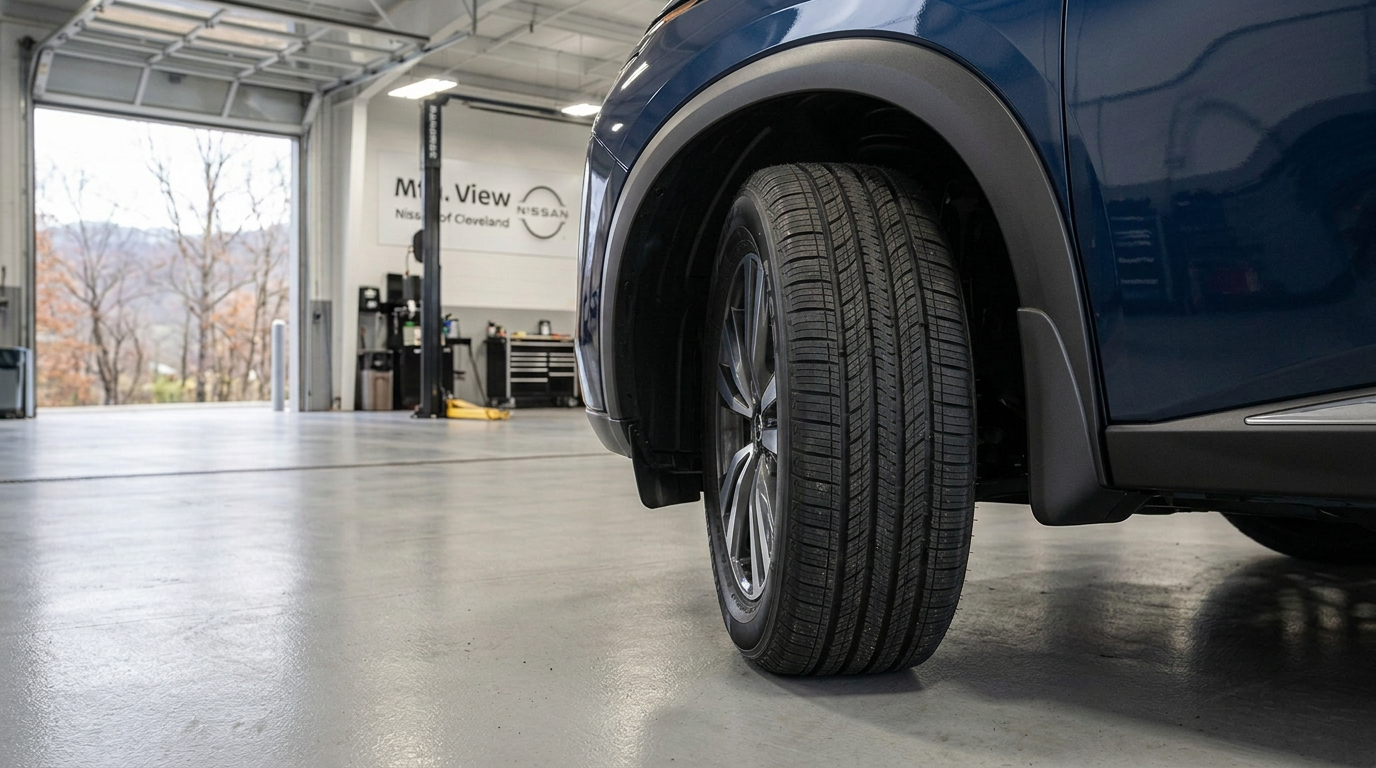

Replacing a full set of four tires on a Nissan Pathfinder generally costs between $800 and $1,400 for standard 18-inch wheels, while premium 20-inch fitments range from $1,000 to $1,800. The final invoice reflects tire brand, speed rating, mounting, high-speed balancing, replacement valve stems, tire disposal fees, and local sales tax. Choosing factory-specification tires ensures your three-row SUV maintains its engineered braking distances, cabin quietness, and fuel efficiency. Individual tire prices depend on the wheel diameter and construction required by your trim level. An 18-inch highway all-season tire costs less than an aggressive all-terrain compound or a low-profile 20-inch touring tire. Professional installation adds labor for dismounting old rubber, installing fresh rubber, precision computer balancing, and syncing the sensors to the dashboard monitor. Fitment Type Wheel Size Typical Set of 4 (Parts Only) Typical Installed Total Range Standard All-Season 18-inch $680 – $1,100 $800 – $1,400 Rugged All-Terrain 18-inch $850 – $1,300 $1,000 – $1,550 Premium Highway Touring 20-inch $900 – $1,500 $1,000 – $1,800 Periodic tire rotations every 5,000 to 7,500 miles help protect that investment by preventing premature tread wear across the front and rear axles. When it is time for new rubber, our certified technicians guide you through factory-approved options suited to regional asphalt and seasonal downpours. Drivers traveling from surrounding communities can find our service center at 131 Pleasant Grove Rd or call our service desk directly at (423) 790-3700 to verify current stock and promotional rebates. Table of Contents What Tire Sizes, Speed Ratings, and Load Capacities Fit the Nissan Pathfinder? OEM Factory Tires vs. Aftermarket Replacements for the Nissan Pathfinder All-Season vs. 3-Peak Mountain Snowflake All-Weather and All-Terrain Options Does Tire Road Hazard Protection Make Financial Sense on a Pathfinder? Professional Tire Care and Replacement Service in Cleveland Common Questions About Nissan Pathfinder Tire Service and Care Keep Your Pathfinder Ready for Every Journey with Expert Tire Care What Tire Sizes, Speed Ratings, and Load Capacities Fit the Nissan Pathfinder? A Nissan Pathfinder requires either 18-inch or 20-inch tires with a minimum load index of 105 to 108 and a speed rating of H or V depending on trim configuration. Entry trims use P255/60HR18 tires, the adventure-oriented Rock Creek uses P265/60HR18 all-terrain tires, and higher luxury trims step up to P255/50HR20 low-profile touring rubber. Matching factory load and speed specifications is mandatory to support the gross vehicle weight and the maximum towing capacity of 6,000 pounds. Load index numbers indicate how much mass an inflated tire can carry at highway speeds. A load index rating of 105 supports roughly 2,039 pounds per corner, whereas a 108 rating handles up to 2,205 pounds. Because this eight-passenger SUV carries substantial cargo and passenger weight alongside dynamic tongue loads when towing trailers, undersized aftermarket tires compromise stability during emergency evasive maneuvers. The speed rating designates the velocity threshold the tire casing can dissipate heat safely over sustained distances. An H rating indicates safety up to 130 mph, while a V rating certifies performance up to 149 mph. Even though family travel stays well below these maximums, higher speed ratings feature stiffer sidewall belts that sharpen steering response through highway curves. Standard replacement dimensions and operational specifications include: SV and SL: P255/60HR18 with 108H load and speed capabilities. Rock Creek: P265/60HR18 all-terrain tread fitted to 18-inch beadlock-style wheels. Platinum: P255/50HR20 with 105H or 105V ratings on machined aluminum alloys. Wheel Bolt Pattern: 5x114.3 millimeter (5x4.5 inch) spacing with a 66.1 millimeter center bore and M12x1.25 lug nuts. Recommended Cold Inflation Pressure: 33 to 35 psi across both front and rear axles, as indicated on the driver-side B-pillar placard. Our service department calibrates every replacement tire to match factory pressure recommendations and verifies that the onboard Tire Pressure Monitoring System recognizes each wheel sensor location. OEM Factory Tires vs. Aftermarket Replacements for the Nissan Pathfinder Original equipment manufacturer (OEM) tires are co-engineered with vehicle designers to optimize rolling resistance, cabin acoustic isolation, and brake performance, whereas general aftermarket tires prioritize specialized traits like extended tread life or aggressive off-road grip. Replacing worn rubber with OEM specification models preserves the refined ride comfort and EPA-rated fuel economy of 21 city / 27 hwy mpg that the vehicle delivered from the showroom floor. During vehicle development, chassis engineers test dozens of compound mixtures and internal belt configurations. The factory-selected tires feature tailored shoulder blocks that reduce road noise resonance inside the three-row cabin. In contrast, off-the-shelf aftermarket tires often use harder rubber compounds to advertise longer treadwear warranties. While these tires may last more miles, the denser material can transmit harsh impacts over expansion joints and increase stopping distances on damp roads. Aftermarket alternatives make sense primarily when an owner changes how they use the SUV. If you frequently haul supplies across rocky job sites or unpaved forest service routes, an aftermarket light-truck all-terrain design provides extra puncture resistance over standard passenger rubber. For standard daily transportation, genuine factory-matched tires provide the most balanced dynamic handling. You can source exact-match factory tires and approved equipment directly through our Nissan parts department to ensure exact mechanical compatibility. All-Season vs. 3-Peak Mountain Snowflake All-Weather and All-Terrain Options Standard all-season tires provide adequate grip during warm months and light rain, but 3-Peak Mountain Snowflake (3PMSF) all-weather tires retain tread flexibility in cold temperatures, while all-terrain designs deliver extra biting edges for rough surfaces. The primary distinction lies in rubber chemistry: traditional all-season compounds harden when ambient temperatures drop below 45 degrees Fahrenheit, lengthening stopping distances on cold pavement even without snow present. All-weather tires carrying the severe-weather 3PMSF emblem use advanced silica-rich compounds that remain supple in near-freezing conditions. They feature directional siping patterns that grip packed slush and cold wet roads without requiring you to switch between summer and winter wheel sets. All-terrain tires, such as the standard fitment on the Rock Creek trim, emphasize durability over low rolling resistance. They utilize reinforced sidewall plies that deflect sharp stones and wide tread voids that shed mud. For families in Cleveland who spend weekends exploring the foothills around the Cherokee National Forest or trailheads along the Ocoee River, all-terrain tires resist punctures on unpaved gravel roads. However, their open tread pattern creates slightly more ambient highway hum compared to smooth touring rubber. When your Pathfinder operates with the Intelligent 4x4 system, consistent tread depth across all four positions is essential. Mixing tire tread styles or operating with mismatched wear levels forces differential gears to work harder, which can trigger thermal warnings within the all-wheel-drive system. Does Tire Road Hazard Protection Make Financial Sense on a Pathfinder? Tire road hazard protection makes sound financial sense on a Pathfinder because modern all-wheel-drive systems often require replacing multiple tires if an unrepairable puncture occurs on one corner. At a typical cost of $15 to $35 per tire, the protection plan covers damage caused by nails, glass, and impact potholes that standard manufacturer treadwear warranties exclude. When a tire suffers non-repairable shoulder damage, installing a single brand-new tire alongside three worn tires creates a circumference mismatch. Nissan all-wheel-drive systems rely on wheel speed sensors that detect minute rotational variations; a significant circumference difference between axles places continuous mechanical stress on transfer units and center couplings. In many instances, technicians must either shave the new tire down to match the others or replace two or four tires simultaneously. Road hazard policies cover: Puncture repairs performed to industry standards using plug-and-patch internal combinations. Complete tire replacement reimbursement when sidewall punctures or road debris cuts cannot be safely repaired. Mounting, balancing, and disposal fees associated with replacing the damaged unit. Investing in road hazard coverage protects against unexpected out-of-pocket expenses, turning an unforeseen pothole strike into a simple covered repair. Professional Tire Care and Replacement Service in Cleveland Our service center in Cleveland provides factory-grade mounting, precision road-force balancing, computerized four-wheel alignments, and direct sensor programming specifically for your Pathfinder. Routine maintenance ensures even tread distribution and protects the SUV's advanced driver-assist systems, which depend on correct ride height and stable contact patches to function accurately. Our service advisors frequently hear Pathfinder owners ask whether a single damaged tire requires replacing all four tires on all-wheel-drive configurations. Our technicians measure tread depth across every corner down to the thirty-second of an inch to determine whether a safe single-tire replacement is mechanically viable or if paired axle replacement is necessary to protect your driveline. Routine maintenance milestones should include: Pressure Checks: Verify cold inflation pressures monthly, accounting for regional temperature drops that reduce internal pressure by roughly one psi for every ten-degree drop. Tire Rotations: Rotate positions every 5,000 to 7,500 miles to counter outer-shoulder wear on the front steering axle. Wheel Alignments: Inspect steering geometry annually or after any severe curb or pothole impact to prevent irregular camber and toe wear. Electronic TPMS Re-learn: Reset the onboard sensors during tire swaps so the instrument cluster accurately indicates individual wheel positions. Whenever road debris causes a sudden blowout or roadside flat, you can connect directly with Nissan Roadside Assistance: 800-225-2476 for authorized emergency towing to our certified facility. When routine maintenance or new tires are needed, easily schedule a service appointment through our online booking tool. Common Questions About Nissan Pathfinder Tire Service and Care Q: How do I know if my Pathfinder tires are worn out? Your tires are legally worn out when tread depth reaches 2/32 of an inch, indicated by horizontal wear bars showing flush across the tread grooves. For wet-weather stopping capability, replacement is strongly advised once tread wears to 4/32 of an inch. You can also inspect the tread for uneven cupping, edge wear, or sidewall dry rot cracking caused by sun exposure and aging rubber compounds. Q: Why does the Pathfinder door placard show different pressures than the tire sidewall? The door placard shows the vehicle-specific pressure calibrated by engineers for optimal braking, load carrying, and ride quality, whereas the sidewall marks the maximum cold pressure the tire casing can physically withstand. You should always inflate your tires to the door placard specification of 33 to 35 psi, never to the maximum sidewall limit, which creates a harsh ride and accelerates center tread wear. Q: Can I mount larger all-terrain tires on a standard Pathfinder without lifting it? Slightly wider tires such as P265/60R18 can fit standard 18-inch wheels without rubbing because that sizing is factory-validated on the Rock Creek trim. However, installing taller aftermarket tires beyond factory diameters alters speedometer accuracy, changes transmission shift mapping on the 9-speed automatic transmission, and may cause tire clearance issues against internal fender liners during full steering lock. Q: How does proper tire inflation protect the Pathfinder transfer case? Under-inflated tires have a smaller rolling radius, which forces that individual wheel to spin faster than properly inflated wheels on the same vehicle. On four-wheel-drive models, the electronic control module interprets that speed difference as tire slip, engaging the clutch pack continuously and generating excess heat within the drivetrain. Keeping uniform pressures preserves transmission and coupling longevity. Q: Does tire replacement reset the Tire Pressure Monitoring System automatically? The Pathfinder utilizes direct sensors inside each wheel that automatically transmit pressure data to the instrument display after driving above 16 mph for several minutes. However, when wheels are rotated or replacement sensors installed, technicians must complete a brief electronic registration process if the receiver does not recognize the new sensor positions immediately. Keep Your Pathfinder Ready for Every Journey with Expert Tire Care Proper tire selection and routine maintenance preserve the handling, safety ratings, and dependable capability engineered into your three-row family SUV. Whether you commute daily or tow campers across regional highways, riding on factory-certified rubber delivers confidence through every mile. Our team at Mtn View Nissan of Cleveland stocks manufacturer-approved tires, genuine accessories, and diagnostic equipment calibrated for every Pathfinder trim level. To inspect your existing tread, address a slow leak, or install a fresh set of tires, get directions to our McDonald location or speak with a certified service advisor today by calling (423) 790-3700. © 2026 Mtn View Nissan of Cleveland. All rights reserved.